
Atlantic Canada DX & Contest Group: New Military History Sites Program
The Atlantic Canada DX & Contest Group has expanded its recognition programs to include a new initiative celebrating New Brunswick's military heritage through amateur radio. Building on the success of their New Brunswick Parks Awards program, this group continues to create opportunities for portable operators across the province.
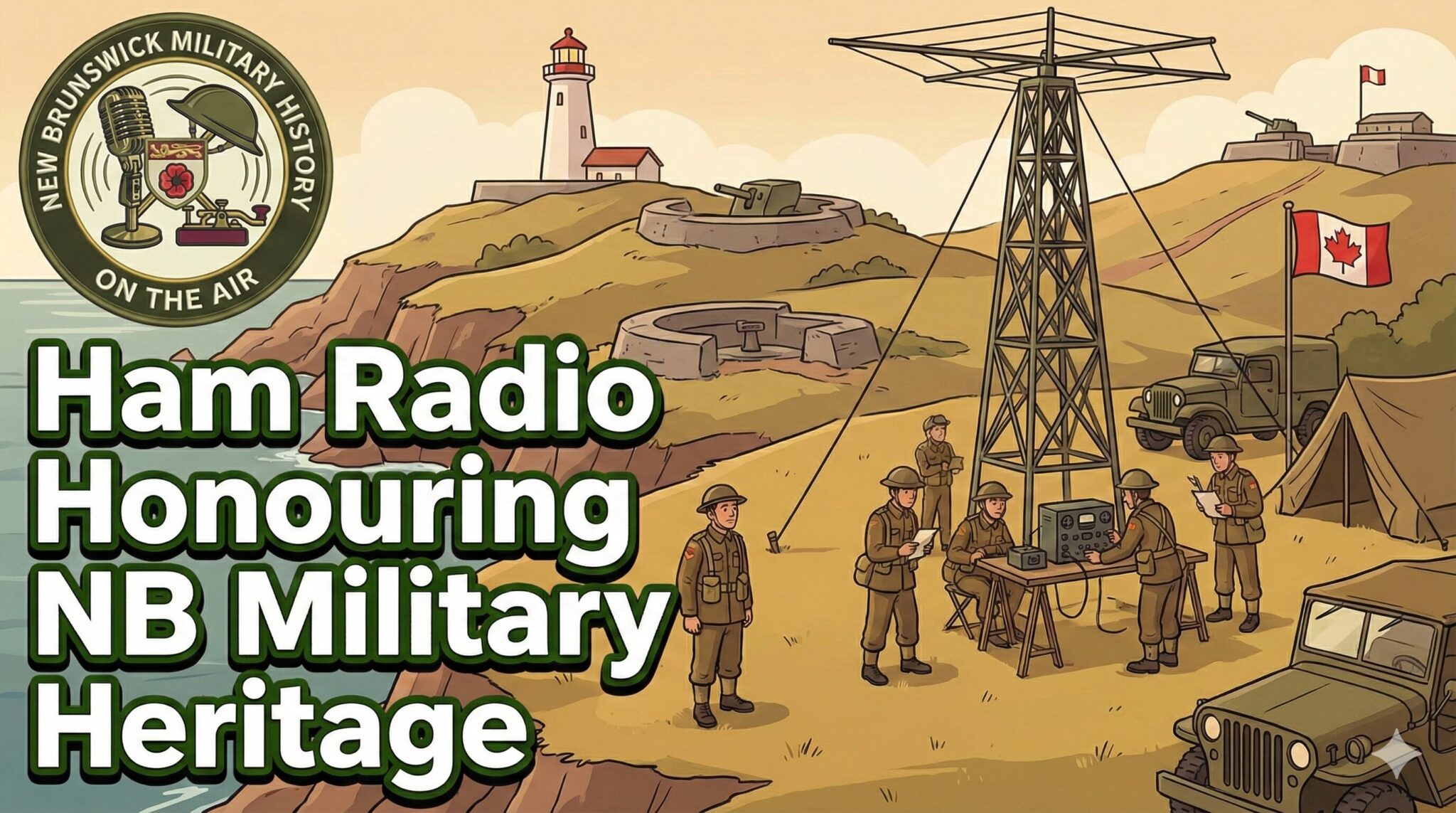
The New Brunswick Military History Sites Program allows you to activate historic military locations throughout the province and earn recognition for establishing two-way contacts from these significant sites. Whether you operate from coastal defence installations, commemorative parks, or other military heritage locations, you can contribute to preserving the memory of these sites while enjoying your favourite portable radio activities.
This program offers you another way to explore New Brunswick's landscape while participating in Parks on the Air, portable operations, or casual field activities. The Atlantic Canada DX & Contest Group designed this initiative to complement existing programs rather than replace them, giving hunters and activators alike new goals to pursue across the province.
Key Takeaways
- The Atlantic Canada DX & Contest Group launched a new program recognizing portable ham radio operations from New Brunswick military history sites.
- You can activate any qualifying military heritage location in the province and upload your logs to earn awards for yourself and participating hunters.
- This initiative complements existing programs, such as Parks on the Air,and provides additional operating opportunities across New Brunswick.
Overview of the New Brunswick Military History Sites Program
The NB Military Historical Sites Award recognizes amateur radio operators who make two-way contacts with activators operating from military historical sites across New Brunswick. The program fosters camaraderie among ham radio operators while commemorating the province's military heritage through portable radio operations.
Program Goals and Objectives
The program aims to promote amateur radio activity at military history locations throughout New Brunswick. You'll find that it encourages operators to explore the province's outdoors while honouring sites connected to Canadian military service. The award recognizes your achievement in making successful contacts with activators who set up portable stations at designated military historical locations.
The initiative celebrates the role of amateur radio in connecting people across distances. It highlights New Brunswick's rich military heritage, from Loyalist settlements to modern Canadian Forces installations. You help preserve awareness of these important historical sites through radio communications.
Program Structure and Operation
The program follows a straightforward activation and contact system. Activators travel to eligible military historical sites in New Brunswick and operate portable amateur radio stations. You can earn the award by making two-way contacts with these activators from your home station or while operating portable yourself.
Each qualifying contact contributes toward your award progression. The program operates year-round, allowing you to pursue contacts during favourable weather conditions or special commemorative dates. Activators must operate from valid military historical sites that meet the program's designation criteria.
Eligibility and Participation Guidelines
You must hold a valid amateur radio licence to participate in the program. Both activators and chasers can work together to earn awards through their participation. Activators need to operate from recognized military historical sites within New Brunswick's boundaries.
Valid contacts require proper exchange of call signs and signal reports according to standard amateur radio practices. You can use any amateur radio band and mode for your contacts. The program accepts contacts made through various communication methods, including voice, digital modes, and Morse code.
Role of Atlantic Canada DX & Contest Group
The Atlantic Coast DX & Contest Group serves as the organizing body behind this military history programme, bringing together amateur radio operators throughout the Atlantic provinces to promote portable operations and heritage preservation. The group's inclusive structure and regional expertise make it well-positioned to coordinate activities across New Brunswick's historical military sites.
History and Background of the Club
The Atlantic Coast DX & Contest Group was founded by dedicated amateur radio operators in New Brunswick who wanted to create a welcoming community focused on DXing and contesting. Unlike traditional radio clubs, this group operates without membership fees or mandatory meetings, making participation accessible to all licensed operators.
Your involvement can be as casual or committed as you prefer. The group primarily coordinates through its Facebook community, where members share operating experiences and plan activities. This flexible approach has attracted operators throughout Atlantic Canada, including New Brunswick, Nova Scotia, Prince Edward Island, and Newfoundland and Labrador.
The organization has expanded beyond its initial DX and contest focus to embrace Parks On The Air, World Wide Flora & Fauna, and various portable operating programmes. This evolution reflects the growing interest in outdoor radio activities amongst Atlantic Canadian operators.
Partnerships and Community Outreach
The group maintains its presence on HAMLOG.online, where it administers several awards programmes, including the Worked All New Brunswick Counties Award. This platform allows you to track your progress towards various achievement certificates.
Your participation in the Atlantic Canada QSO Party directly supports the group's mission to showcase regional operating talent. The annual contest draws international attention to Atlantic Canadian stations and promotes contacts with operators in all four Atlantic provinces.
The organization's partnership with special event stations, such as VC9DT, creates opportunities for you to earn unique certificates while supporting commemorative radio operations. These collaborations strengthen ties between amateur radio and community heritage initiatives throughout the region.
Opportunities for Portable Ham Radio Activators
Portable operators can access multiple military history sites across New Brunswick while earning recognition through the programme's award system. The initiative combines Parks On The Air operating practices with military heritage preservation.
Portable Operating Requirements
You need minimal equipment to activate military history sites in New Brunswick. A portable transceiver, temporary antenna system, and power source form the basic station setup. Self-supporting antennas are most effective since ground stakes must be kept to a minimum at historic sites.
Your operation should avoid causing damage to monuments, markers, or protected grounds. Portable ham radio stations in New Brunswick can utilize tree supports for wire antennas without harming the surrounding vegetation. You must follow site-specific regulations at each location, particularly at federally managed properties.
Most activations qualify when you operate from public areas during regular access hours. Special event stations require advance coordination with site administrators. You should carry proof of your amateur radio licence and be prepared to explain your activity to visitors or staff.
Activating Military History Sites
Each qualifying site includes fortifications, memorials, battlefields, and military installations from various Canadian conflicts. You log contacts on the air using standard operating procedures while identifying the specific reference designation. The programme recognizes operations on CW, phone, and digital modes.
Your activation becomes valid after completing a minimum number of contacts during a single visit. You submit logs through the Atlantic Coast DX & Contest Group tracking system, which verifies your operation against programme criteria. Multiple activations of the same site throughout the year contribute toward awards.
The programme encourages you to share historical information about each site during contacts. This educational component helps promote awareness of New Brunswick's military heritage among the global amateur radio community.
Recognition and Award Programmes
You earn certificates based on the number of unique military history sites activated. Bronze, silver, and gold achievement levels recognize progressive accomplishment in the programme. Additional endorsements reward operations on specific modes or from particularly significant locations.
The awards programme tracks your progress alongside other Atlantic Canada amateur radio initiatives. You can display your achievements through digital certificates and online leaderboards. Special recognition goes to operators who activate all qualifying sites within a calendar year.
Your participation helps document military heritage sites through amateur radio activity while building the Atlantic Canada DX & Contest Group's portfolio of location-based programmes.
Notable Military History Sites in New Brunswick
New Brunswick contains numerous military heritage locations spanning from the early 1600s to modern times, with sites distributed across multiple counties that portable operators can activate. Access requirements vary by location, with some sites on active military property requiring advance coordination.
Historic Locations Across the Province
The New Brunswick Military Heritage Project maintains a searchable database organized by county that catalogues all currently known military sites, monuments, and events throughout the province. This resource helps you identify potential activation locations before planning your portable operations.
The New Brunswick Military History Museum, located near Oromocto on 5 Canadian Division Support Base Gagetown, serves as a central repository for provincial military artifacts. The museum received official Canadian Forces Museum status on April 19, 1973, and continues to expand its exhibits.
In Saint John and other communities, you'll find war monuments, fortifications, and memorial sites that qualify for the programme. The Fredericton Region Museum operates from the former Barracks of the Royal Canadian Regiment in Fredericton, offering another significant location for military heritage.
Sites span multiple conflict periods, including pre-Confederation defences, both World Wars, and contemporary peacekeeping operations. Many locations feature interpretive signage and are open to the public during daylight hours.
Site Access and Permissions
You must obtain proper authorization before activating from any location on active military property. The New Brunswick Military History Museum is located within CFB Gagetown, Canada's second-largest military base, and access requires advance permission.
Public military monuments and memorials in municipal parks typically allow amateur radio operations during regular hours. You should verify local bylaws regarding antenna installations and generator use before arriving.
Some historic fortifications and battlefield sites are protected under provincial or federal heritage legislation—contact site administrators to confirm whether temporary radio operations align with preservation guidelines and visitor policies.
Private property containing military heritage markers requires the consent of the landowner. Royal Canadian Legion branches near memorial sites can often provide guidance on suitable operating locations and community sensitivities regarding military commemorations.
Technologies and Modes for Activation
Activators can use various operating modes to log contacts from New Brunswick military history sites, with both Morse code and voice transmissions proving effective for portable operations. The Atlantic Canada DX & Contest Group provides digital logging tools through Hamlog.online to help you track your progress and submit activation records.
CW and Voice Operations
CW remains the most efficient mode for portable activations due to its low power requirements and ability to punch through challenging propagation conditions. You can complete successful activations using just 5 to 10 watts of CW output, making it ideal when operating from remote military history sites with limited battery capacity.
Voice operations on single sideband (SSB) provide faster contact rates when conditions are favourable. You'll typically need 25 to 50 watts for reliable SSB communications, though higher power draws mean shorter operating sessions on battery power. Many activators begin with CW to quickly build their contact count, then switch to phone modes to accommodate operators who don't work Morse code.
Digital modes like FT8 and FT4 offer middle-ground options, requiring minimal power whilst supporting automated logging. These modes are particularly effective in locations with high noise levels or compromised antenna systems.
Using Hamlog.online for Logging
The Hamlog.online platform serves as your primary tool for submitting activation logs and tracking award progress. You'll create a free account to access the club's programme pages, where you can upload ADIF files directly from your logging software or manually enter contacts through the web interface.
Your logs automatically update programme statistics once processed, allowing you to monitor which military history sites you've activated and how many contacts you've logged from each location. The platform supports multiple award programmes simultaneously, so your activation contacts can count towards the Worked All New Brunswick Counties Award and other provincial recognition schemes.