Poor Operators Are Killing Ham Radio—Not FT8, FT4, or Digital Modes
Ham radio has always been a hobby of evolution and innovation. From spark gap transmitters to SSB, from Morse code to satellites, amateur radio has continuously adapted to new technologies and welcomed new operators. Yet today, a vocal minority insists on blaming the hobby's perceived decline on digital modes like FT8 and FT4, no-code licenses, and modern operating practices.
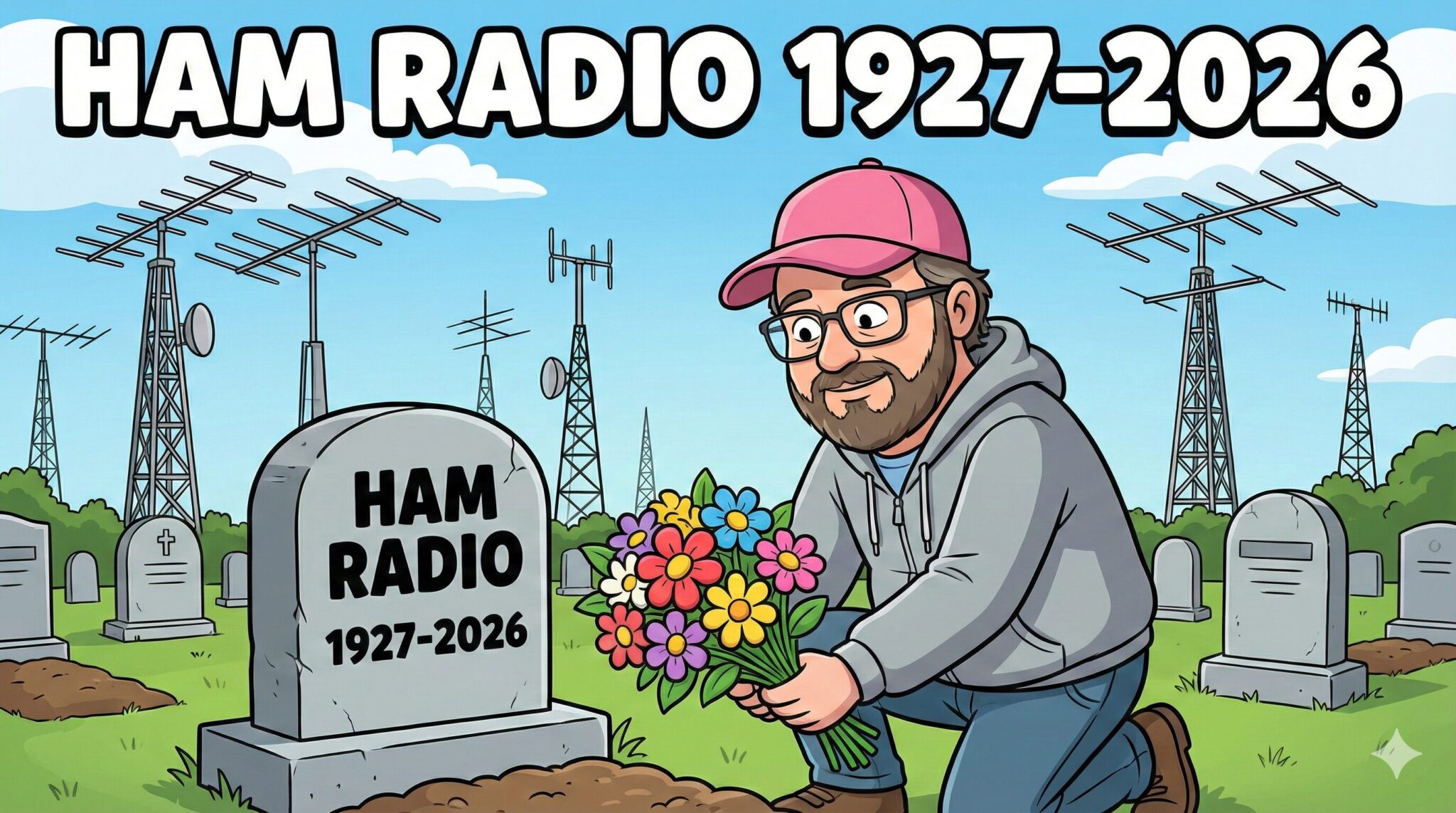
Here's the uncomfortable truth: Digital modes aren't killing ham radio. Poor operators are.
The Real Problem: Gatekeepers and Complainers
Walk into any ham radio club meeting, browse popular forums, or tune into certain repeaters, and you'll inevitably hear it—the endless griping about how "digital modes aren't real ham radio" or how "removing the code requirement ruined everything." These complaints have become so common that they've created a toxic atmosphere that drives away both new and experienced operators.
The sad reality is that these complainers are doing far more damage to amateur radio than any technological advancement ever could.
Digital Modes Are Ham Radio
Let's be crystal clear: FT8, FT4, PSK31, RTTY, and every other digital mode are absolutely legitimate forms of amateur radio. They involve:
- Radio frequency propagation (you still need to understand antennas, feed lines, and atmospheric conditions)
- Technical knowledge (SDR technology, sound card interfacing, computer control)
- Experimentation (optimizing weak-signal reception, antenna design, power efficiency)
- Communication (making contacts, exchanging information, building communities)
If you're transmitting radio waves to communicate with other amateur radio operators, congratulations—you're doing ham radio. Full stop.
The Hypocrisy of "Real Ham Radio"
Many of the same operators who complain about FT8 being "too easy" or "not requiring skill" are perfectly happy to:
- Use computer-controlled transceivers with DSP filtering
- Rely on spotting networks to find DX
- Use amplifiers instead of improving their antenna systems
- Purchase commercial equipment instead of homebrewing
The arbitrary line drawn around digital modes exposes the hypocrisy. Ham radio has always incorporated the latest technology. Why should digital signal processing be any different than the digital technology already embedded in modern transceivers?
What Actually Hurts Ham Radio
If you want to identify the real threats to amateur radio, look no further than poor operator behaviour:
1. Gatekeeping and Elitism
Nothing drives away potential new hams faster than being told their preferred mode "isn't real radio" or that they're "not real hams" because they didn't learn Morse code first.
2. Repeater Tyrants
Operators who monopolize frequencies, enforce arbitrary "rules," or create hostile environments for newcomers do infinitely more damage than any digital mode ever could.
3. Frequency Cops
Self-appointed enforcers who spend their time harassing other operators instead of enjoying the hobby themselves create toxicity that spreads throughout the community.
4. Constant Negativity
Every minute spent complaining about what others enjoy is a minute not spent promoting the hobby, mentoring new operators, or experimenting with radio technology.
5. Resistance to Change
The hobby's ability to attract young, tech-savvy operators depends on embracing modern technology—not rejecting it because it wasn't around in the "good old days."
Digital Modes Are Bringing People In
Here's what the complainers don't want to acknowledge: Digital modes like FT8 are actually growing the hobby by:
- Lowering barriers to entry for operators with limited space or restricted antenna options
- Making DX accessible to hams who can't afford large antenna systems or kilowatt amplifiers
- Attracting technically-minded individuals interested in weak-signal communication and digital signal processing
- Providing accessible options for operators with hearing difficulties or disabilities
- Demonstrating modern relevance of radio technology to younger generations
Many operators start with FT8, then branch out into phone, CW, satellites, and other modes. Digital modes serve as a gateway, not a dead end.
My Advice: Shut Up and Let People Enjoy Things
If you don't like digital modes, here's a simple solution: Don't use them.
- Enjoy CW? Great! Get on the bands and work some Morse.
- Love SSB ragchewing? Fantastic! Find a frequency and chat away.
- Prefer AM on 160 meters? Wonderful! Fire up that vintage rig.
What you should NOT do is spend your time complaining about what other people enjoy. Your negative attitude isn't protecting the hobby—it's killing it.
The Path Forward
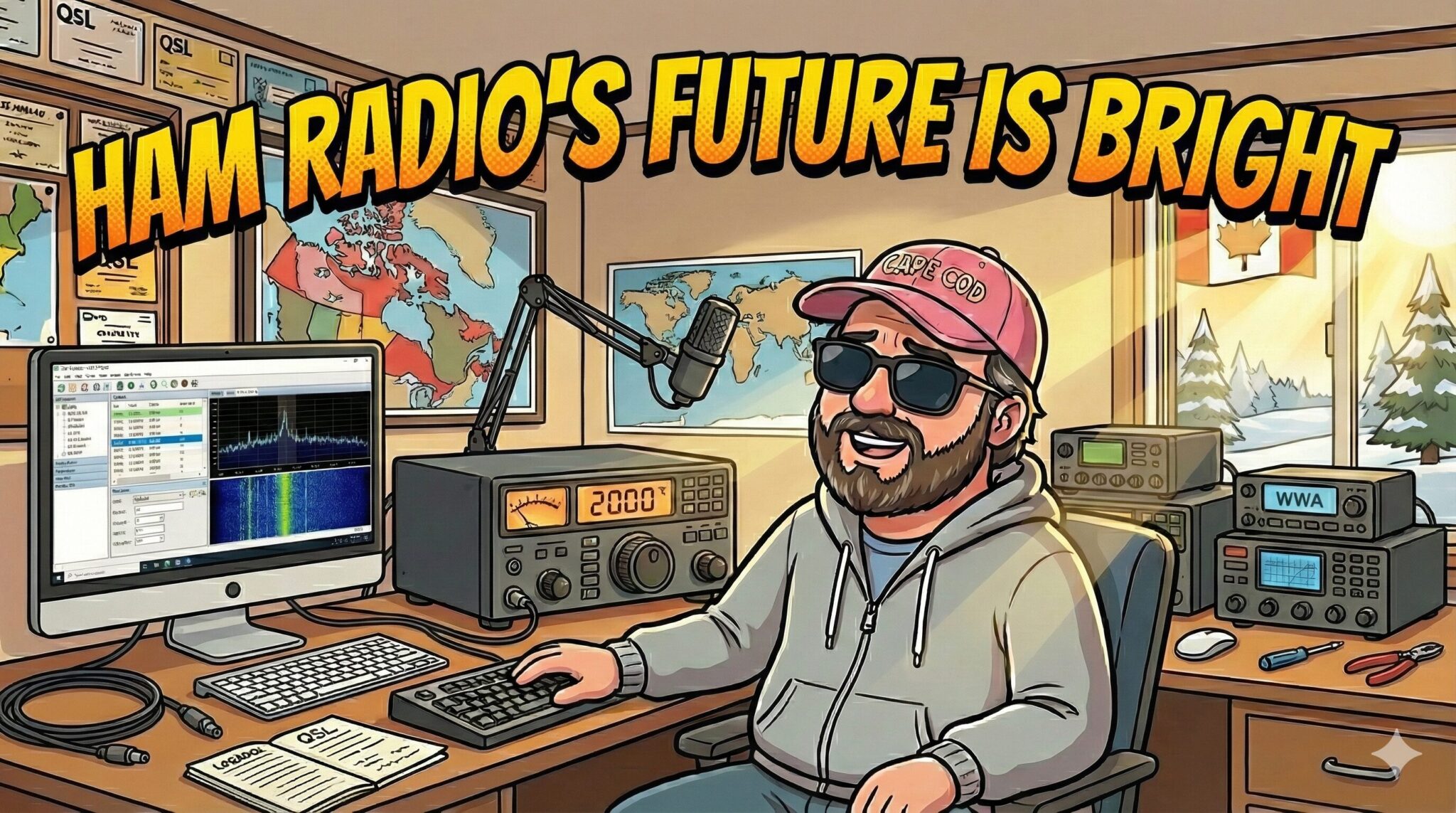
Ham radio is big enough for everyone. There's room for CW operators, phone operators, digital mode enthusiasts, satellite operators, contesters, rag-chewers, experimenters, and every other type of operator under the sun.
The hobby will thrive when we:
- Welcome newcomers, regardless of their chosen mode
- Celebrate diversity in operating styles and technical interests
- Mentor positively instead of criticizing
- Share our enthusiasm rather than our complaints
- Focus on what we love instead of what others do
Conclusion
Poor operators—the gatekeepers, the complainers, the elitists—are the real threat to amateur radio. Not FT8. Not FT4. Not no-code licenses. Not modern technology.
If you genuinely care about the future of ham radio, stop wasting your breath complaining about how others enjoy the hobby. Instead, get on the air, make contacts, experiment with technology, and share your passion with others in a positive way.
The next time you're tempted to gripe about digital modes destroying ham radio, ask yourself: Am I part of the problem?
Because chances are, you already know the answer.
73 de the operator who's tired of the negativity.