
The Gamification of Amateur Radio: Achievement Unlocked in Ham Radio
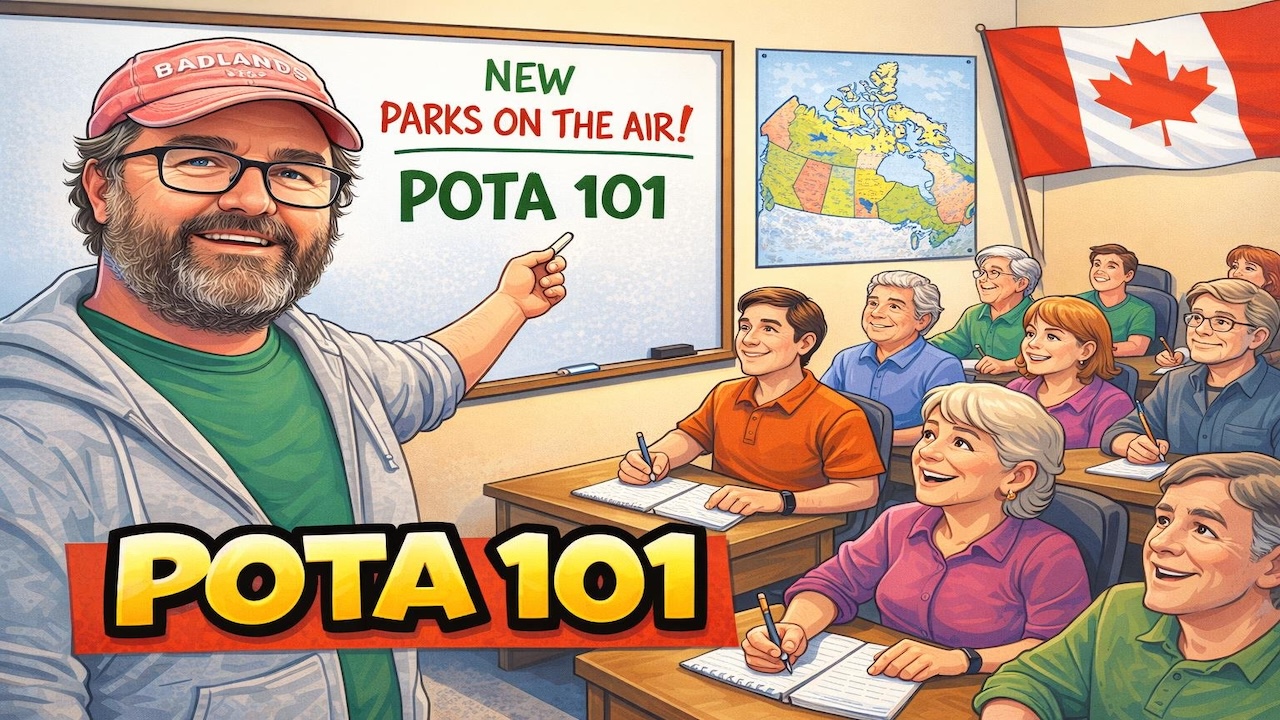
Amateur radio has long been a hobby steeped in tradition, technical skill, and the simple joy of making contact with fellow operators around the world. But in recent years, a new phenomenon has taken the airwaves by storm: gamification. Through programs like Parks on the Air (POTA), Summits on the Air (SOTA), and various award programs, ham radio is experiencing a renaissance that's attracting a new generation of operators while reinvigorating the passion of seasoned veterans.
The Rise of Ham Radio Gamification
At its core, gamification applies game-design elements to non-game contexts, and amateur radio has proven to be fertile ground for this approach. Programs like Parks on the Air encourage operators to activate national and state parks, earning awards and recognition for their efforts. Similarly, the Worked All States (WAS) award, DX Century Club (DXCC), and countless other achievement programs have transformed radio contacts into collectible milestones.
Modern logging software has significantly amplified this trend. Tools like World Radio League and others have transformed the mundane task of logging contacts into an engaging, interactive experience complete with statistics, achievements, visual progress indicators, and leaderboards. These platforms automatically track your progress toward various awards, display colourful maps of your contacts, and provide instant gratification when you reach new milestones.
Why It's Working
The appeal of gamified ham radio is multifaceted:
- Clear Goals and Progress Tracking: Instead of aimlessly spinning the dial, operators have specific objectives—activate 10 parks, work all 50 states, or contact 100 countries. Modern software makes tracking this progress effortless and visually satisfying.
- Social Connection: Leaderboards and online communities create a sense of friendly competition and camaraderie. Operators share their achievements, strategies, and field photos, building relationships that extend beyond the radio.
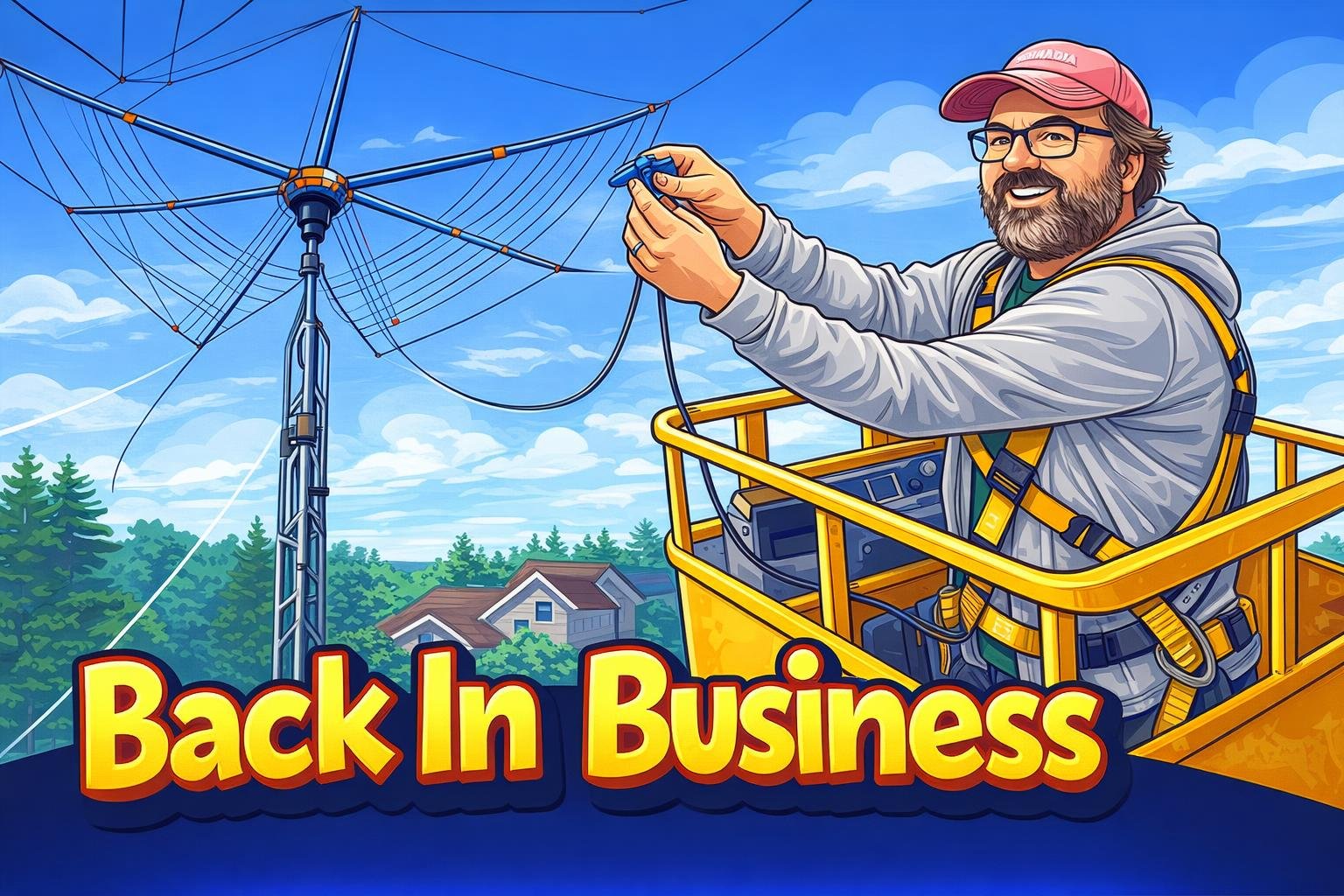
- Exploration and Adventure: POTA and SOTA literally get operators out of the shack and into nature, combining outdoor recreation with radio operations. Each activation becomes a mini-adventure with a built-in purpose.
- Skill Development Through Challenges: Pursuing various awards naturally pushes operators to develop new skills—trying different bands, modes, or operating conditions they might otherwise avoid.
- Instant Feedback: Unlike traditional operating, where rewards might seem abstract, gamified programs provide immediate validation when you complete an activation or earn an award.
The Marketing Angle: Millennials and Modern Engagement
It's no secret that amateur radio has grappled with an aging demographic. Gamification has proven to be an effective marketing strategy for attracting millennials and younger generations who grew up with video games, achievement systems, and social media validation.
Modern marketing increasingly relies on gamification because it works. Fitness trackers, language learning apps, and loyalty programs all leverage the same psychological triggers: progress bars, streaks, badges, and leaderboards. Ham radio's gamified programs tap into these exact motivational mechanisms, making the hobby more immediately accessible and rewarding for newcomers who might find traditional operating less compelling.
The visual, shareable nature of these achievements also plays well on social media. A photo from a mountain summit activation or a colourful map showing worldwide contacts provides instant content that resonates with digitally-native generations.
The Backlash: Not Everyone Is On Board
Despite its popularity, ham radio gamification has its critics. Some operators view these programs as a departure from the hobby's roots in experimentation and technical achievement. Common complaints include:
- Contact Quality Over Quantity: Critics argue that gamification encourages rapid-fire, minimalist exchanges rather than meaningful conversations.
- Spectrum Congestion: Popular programs can create pile-ups and crowding on frequencies, particularly during peak times or at popular activation sites.
- Commercialization Concerns: Some see gamification as a marketing gimmick that reduces amateur radio to point-scoring rather than a genuine technical pursuit.
- Pressure and Competition: What should be a relaxing hobby can feel like work when focused on leaderboards and achievement hunting.
These concerns aren't without merit. There's a valid tension between ham radio as a technical, experimental service and ham radio as a collectible achievements game.
The Beautiful Thing: It's Your Choice
Here's perhaps the most crucial aspect of ham radio gamification: participation is entirely optional.
Unlike commercial apps or games where gamification might feel manipulative or inescapable, amateur radio offers something increasingly rare in modern life—genuine choice without consequence. You can:
- Dive deep into achievement programs, chasing every award and activation
- Selectively participate in programs that interest you while ignoring others
- Completely opt out and operate traditionally, having long conversations and experimenting with equipment
- Blend approaches, sometimes activating parks and other times pursuing technical projects
No one loses their license for not participating. There are no penalties, no missing out, no FOMO—at least, there shouldn't be if you maintain healthy boundaries. The amateur radio spectrum is vast enough to comfortably accommodate multiple operating styles.
Finding Balance
The most successful operators seem to be those who use gamification as a tool rather than an end goal. They might use POTA as an excuse to explore new parks or test portable antennas. They pursue awards that push them toward new technical challenges rather than treating contacts as mere checkboxes.
The logging software and tracking tools are genuinely helpful innovations that make record-keeping easier and provide valuable analytics. The fact that they're also enjoyable to use is a bonus, not a burden.
The Verdict
Ham radio gamification is neither the saviour of amateur radio nor its downfall. It's simply a new dimension of an already multifaceted hobby. Programs like Parks on the Air have demonstrably brought new operators to amateur radio and rekindled interest among those who had drifted away. The social connections, outdoor activities, and clear goals they provide have real value.
At the same time, gamification isn't for everyone, and that's perfectly fine. Amateur radio is large enough to accommodate the contester chasing a rare DX multiplier, the POTA activator setting up in a state park, the rag-chewer having a two-hour conversation, and the experimenter building antennas from spare parts—all without conflict.
The key is respecting different operating styles, using gamification mindfully when you choose to engage with it, and remembering that amateur radio's true reward has always been what you make of it. Whether that's a digital achievement badge or the satisfaction of a perfectly tuned antenna is entirely up to you.
After all, in amateur radio, the best operating style is the one that keeps you on the air.
What's your take on ham radio gamification? Whether you're a dedicated park hunter or a traditional rag-chewer, there's room on the band for all of us. 73!